Table of Contents
You picked up a fresh loaf from the bakery. Now what?
Fresh artisan bread is at its best when the crust still has texture and the inside is soft, flavorful and aromatic. But unlike highly processed packaged bread designed for a long shelf life, a fresh bakery loaf naturally changes as it sits.
How you store it can make a noticeable difference.
At &grain, bread is central to what we do at our artisan bakery in Garwood, NJ. Here’s how to store fresh artisan bread at home, what to avoid, and how to bring a day-old loaf back to life.
What Is the Best Way to Store Artisan Bread?
For bread you plan to eat within the next day or two, store it at room temperature in a way that balances airflow with protection from drying out.
A bread box is one good option. Depending on the type of loaf and how quickly you’ll eat it, a paper bag or clean kitchen towel can also help protect bread without completely trapping moisture around the crust.
Plastic can slow moisture loss, but it also traps moisture and can quickly soften the crisp crust that makes breads such as baguettes so enjoyable.
The best approach therefore depends somewhat on the bread you’re storing and how you plan to use it.
How Long Does Fresh Artisan Bread Last?
Fresh bread is generally best enjoyed as close to the day it was baked as possible, particularly when a crisp crust is part of the experience.
That doesn’t mean a loaf becomes useless the following day.
Many breads remain enjoyable for several days when stored appropriately, although the crust and crumb will gradually change. Denser loaves generally hold up differently than thin, crusty breads such as baguettes.
If you know you won’t finish your bread soon, freezing it while it is still relatively fresh is usually a better strategy than waiting for it to become stale.
Should You Refrigerate Artisan Bread?
Usually, no. The refrigerator may seem like the obvious place to keep food fresh, but bread is an exception. Refrigeration can accelerate the process that makes the crumb firm and stale.
If you’re going to eat your bread soon, room-temperature storage is generally preferable. If you need to preserve it for significantly longer, freezing is usually the better option.
There are exceptions based on ingredients and specific baked products, but for a traditional artisan loaf, the refrigerator shouldn’t be your default storage location.
Can You Freeze Artisan Bread?
Yes. Freezing is one of the best ways to preserve bread that you won’t be able to finish while it’s fresh.
For the most convenient results:
- Let freshly baked bread cool completely before freezing it. Trapping excess heat and moisture can negatively affect texture.
- Decide whether to freeze the loaf whole or sliced. Slicing first makes it easy to remove only what you need.
- Wrap the bread well. Protecting it from air helps prevent freezer burn and unwanted freezer odors.
- Freeze it while it’s still fresh. Don’t wait until a loaf is already very stale before deciding to preserve it.
- Thaw only what you need. Individual slices can be particularly convenient for toast and sandwiches.
A whole loaf can be thawed and refreshed in the oven, while individual frozen slices can often go directly into a toaster or toaster oven.
How Do You Refresh Day-Old Artisan Bread?
A loaf that has lost some of its fresh-baked texture doesn’t necessarily belong in the trash.
For a crusty loaf, an oven can help restore some of the contrast between a crisp exterior and softer interior.
A common method is to lightly moisten the exterior of the bread and warm it in a moderate oven until heated through and the crust has regained some texture. The amount of water and heating time should be adjusted based on the size and condition of the loaf. You’re refreshing the bread, not soaking it.
Smaller pieces and slices require considerably less time than a whole loaf, so keep an eye on the bread while warming it.
And once bread has been refreshed, enjoy it promptly. Repeated cycles of heating and cooling won’t keep making an aging loaf new again.
How to Store Different Types of Artisan Bread
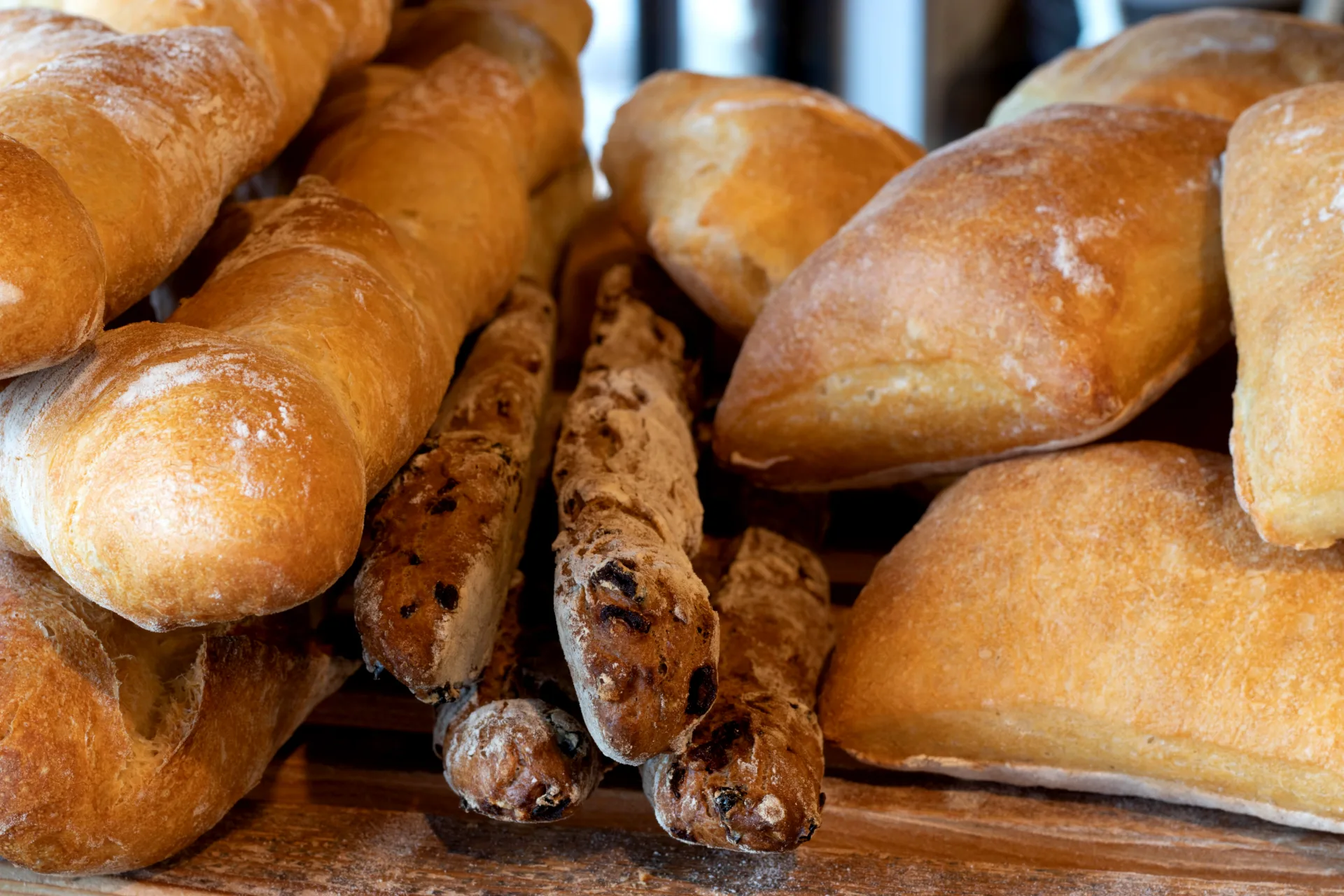
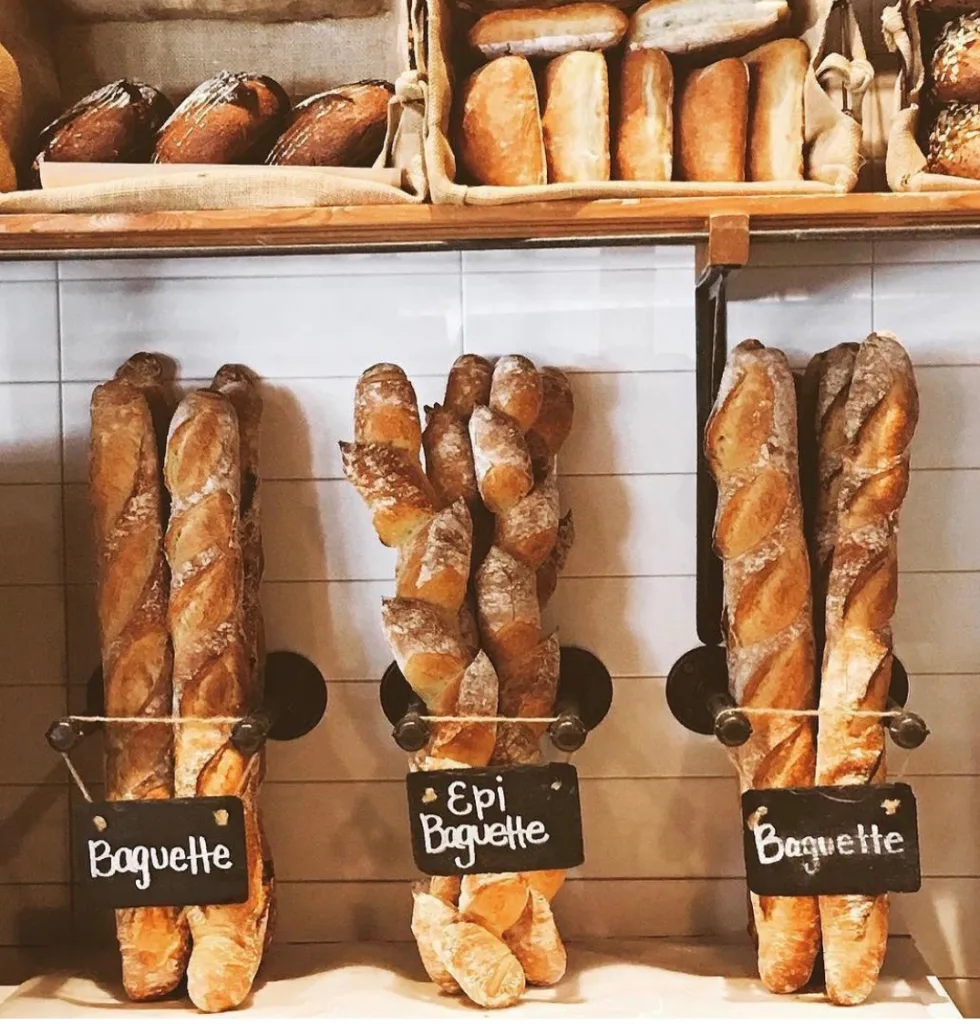
Different breads don’t age exactly the same way. &grain’s bread and pastry selection includes baguettes, ciabatta, 5-grain bread, pain de mie, rye and specialty breads, so storage should reflect what you’re bringing home.
| Bread | Storage Approach | Great Uses as It Ages |
|---|---|---|
| Baguette | Best enjoyed fresh; keep at room temperature for short-term storage and freeze for longer storage | Crostini, toast, breadcrumbs |
| Ciabatta | Keep at room temperature short-term or freeze well-wrapped | Toasted sandwiches, panini, croutons |
| 5-Grain Bread | Protect from drying at room temperature or freeze slices for longer storage | Sandwiches, toast |
| Pain de Mie | Keep covered to preserve its softer texture; freeze slices if needed | Toast, sandwiches, French toast |
| Rye Bread | Keep wrapped and protected at room temperature for short-term storage | Toast and sandwiches |
The key is to think about the bread’s intended texture. A crusty baguette and soft pain de mie shouldn’t necessarily be stored in exactly the same way.
What Can You Do With Bread That’s Starting to Go Stale?
Some of the best uses for bread actually benefit from a loaf that’s no longer fresh from the oven.
Before throwing older bread away, consider turning it into:
- French toast
- Croutons
- Crostini
- Breadcrumbs
- Toast
- Grilled or toasted sandwiches
- Bread pudding
French toast is particularly fitting for pain de mie. On our own breakfast menu, &grain’s Baked French Toast starts with thick slices of pain de mie baked in vanilla and cinnamon custard.
Using bread thoughtfully as it ages can reduce food waste while giving the loaf an entirely different second life.
When Should You Throw Bread Away?
There’s an important difference between stale bread and spoiled bread.
Stale bread has undergone changes in moisture and texture. It may be dry or firm, but it can still be useful for toast, croutons, breadcrumbs and other preparations.
Bread showing visible mold or other signs of spoilage should be discarded. Don’t simply cut a visibly moldy portion from a soft or porous loaf and eat the remainder, since mold can extend beyond what you can see.
When in doubt about whether bread has spoiled, don’t eat it.
Start With Fresh Artisan Bread
Proper storage can help you get more from a loaf, but there’s nothing quite like bread on the day it was baked.
&grain is an artisan bakery and cafe located at 700 North Avenue in Garwood, NJ, convenient to Westfield, Cranford and surrounding Union County communities. Explore our fresh breads and pastries to see what’s baking, or pair your next loaf with breakfast or lunch from our food menu.
Pick Up Fresh Bread at &grain in Garwood
Whether you’re bringing home a baguette for dinner, stocking up on sandwich bread or trying one of our specialty loaves, start with bread from the bakery and use the storage methods above to get the most from it at home.
Frequently Asked Questions
What is the best way to store artisan bread?
For short-term storage, keep artisan bread at room temperature and protect it from excessive air exposure without unnecessarily trapping moisture around a crisp crust. A bread box, paper bag or appropriate wrapping may work depending on the type of bread. For longer storage, freezing is generally the better option.
Should artisan bread be refrigerated?
Usually not. Refrigeration can cause bread to become stale more quickly. If you won’t finish a loaf within its normal room-temperature lifespan, freezing is generally preferable to refrigerating it.
Can you freeze fresh artisan bread?
Yes. Freeze bread while it is still fresh, wrap it carefully and consider slicing it beforehand if you want to thaw individual portions. Frozen slices can be convenient for toast and sandwiches.
How do you make day-old bread fresh again?
Crusty artisan bread can often be refreshed by lightly moistening the exterior and warming it in the oven. This can improve the crust and texture, although refreshed bread is best eaten soon afterward.
How can you tell if bread is stale or spoiled?
Stale bread is typically dry, firm or less pleasant in texture and may still be useful for toast, breadcrumbs, croutons or other recipes. Bread with visible mold or other signs of spoilage should be discarded rather than eaten.